



-
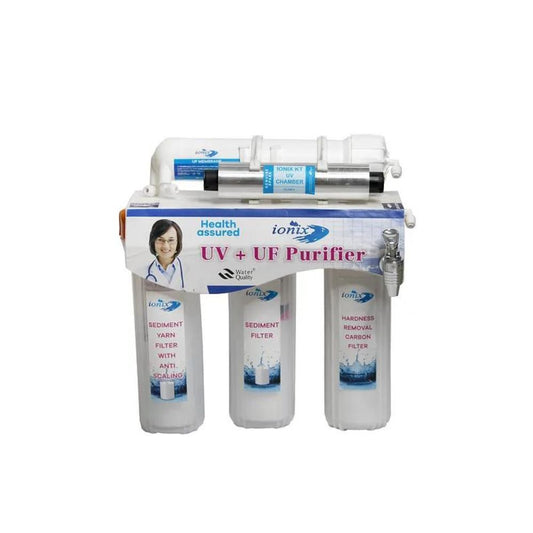
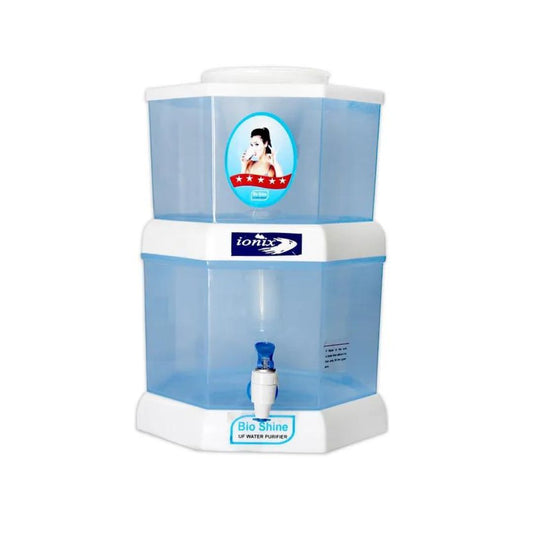
Ionix UV+UF Water PurifierThe Ionix UV+UF Water Purifier is a sleek, advanced home water purification system designed to eliminate harmful microorganisms while preserving essential minerals. Ideal for households with municipal water supply, this purifier ensures every glass you drink is pure, safe, and refreshing.Combining Ultraviolet (UV) purification...
- Rs. 3,450
Rs. 4,485- Rs. 3,450 -23%
- Unit price
- per
-
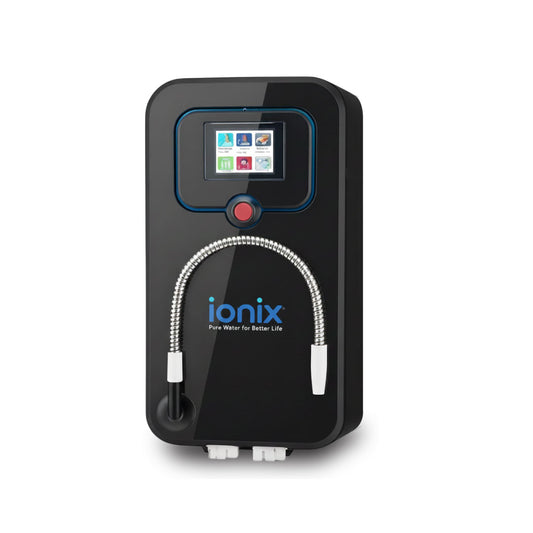
Ionix Under Sink RO + UF Water Purifier for Home - Alkaline + Copper Retention TechnologyFits seamlessly with your modern modular kitchen décor: With it’s under the counter placement & sleek, compact design Z2+ blends in with your modern modular kitchen decor NO COMPROMISE: Healthy Drinking Water with 6 stages of Purification, 100% of the water passes through the...
- Rs. 14,500
Rs. 17,500- Rs. 14,500 -17%
- Unit price
- per
-
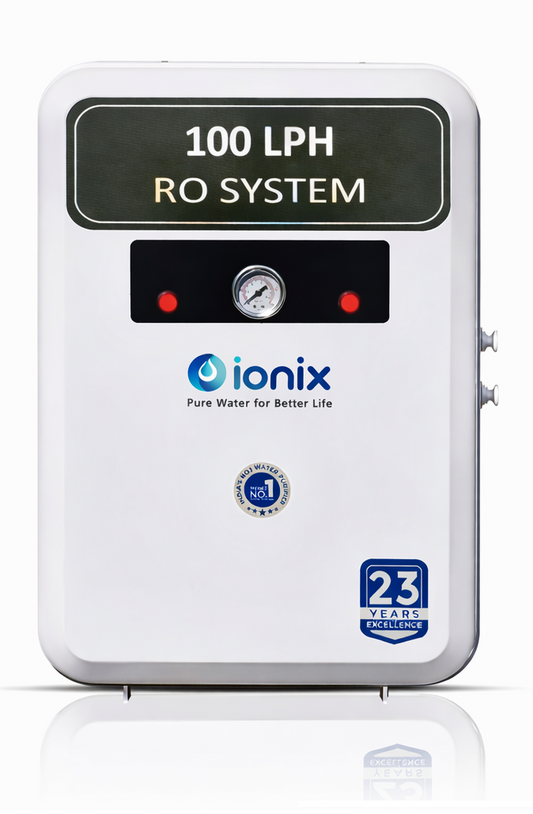
IONIX 100 LPH Commercial RO Water Purifier for School, Office, Factory | High Flow RO Plant with TDS Controller | Industrial Water Purifier for 300-500L Daily Use.High Flow Capacity – 100 LPH Purifies up to 100 liters per hour – ideal for schools, hospitals, industries, and offices with high daily water demand (300-500L). Compatible with Wide TDS Range (100–2500 ppm) Removes excess salts, heavy metals, and contaminants even in high...
- Rs. 37,500
- Rs. 37,500
- Unit price
- per
-
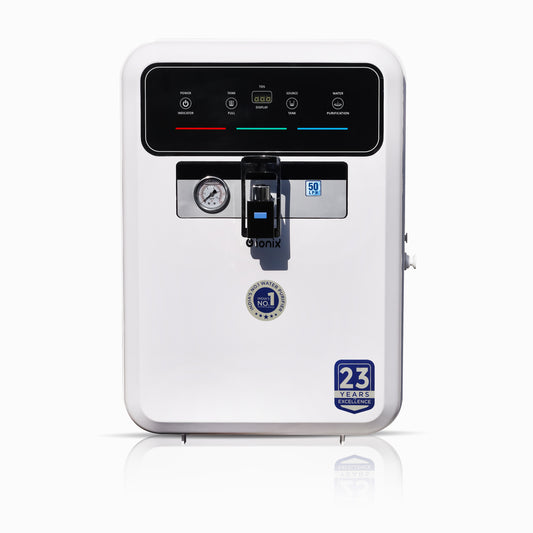
Ionix 50 LPH Commercial RO Water Purifier for Clinic, Office, Home | High Flow Small RO Plant with TDS Controller | Compact Industrial RO with Installation Kit💧 50 LPH High Flow RO Purification Cleans up to 50 liters per hour — perfect for clinics, salons, tuition centers, and small offices. 📊 Works with TDS up to 2500 ppm Ideal for borewell and tanker water — inbuilt TDS controller lets you...
- Rs. 25,000
- Rs. 25,000
- Unit price
- per
-
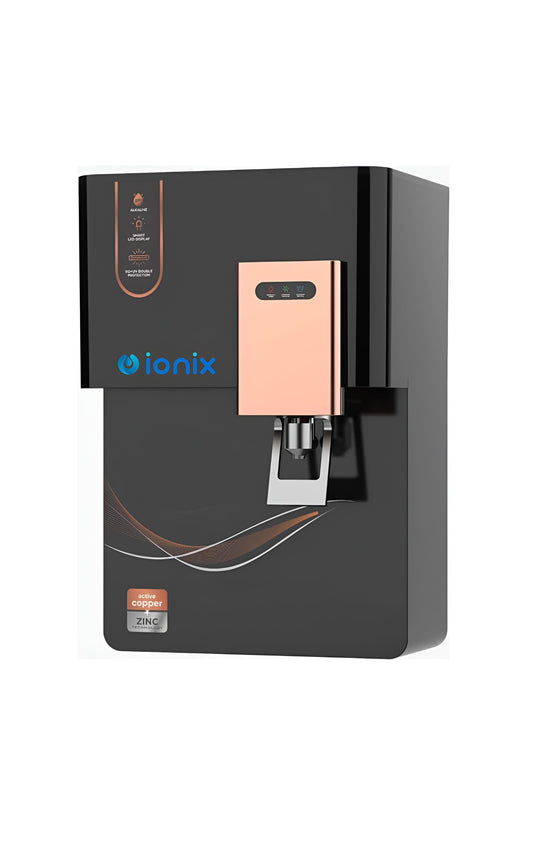
Ionix Double Protection RO + UV Water Purifier - Smart LED Display - Active Copper + Zinc and alkaline Technology7-Stage Advanced Purification: The Ionix Purofic Model Alkaline RO water purifier features a comprehensive 7-stage purification system that includes pre-filtration, reverse osmosis, and alkaline filtration to ensure the cleanest, healthiest drinking water. Alkaline Water Technology: This purifier not only cleans the water but also...
- Rs. 13,800
Rs. 15,000- Rs. 13,800 -8%
- Unit price
- per
-
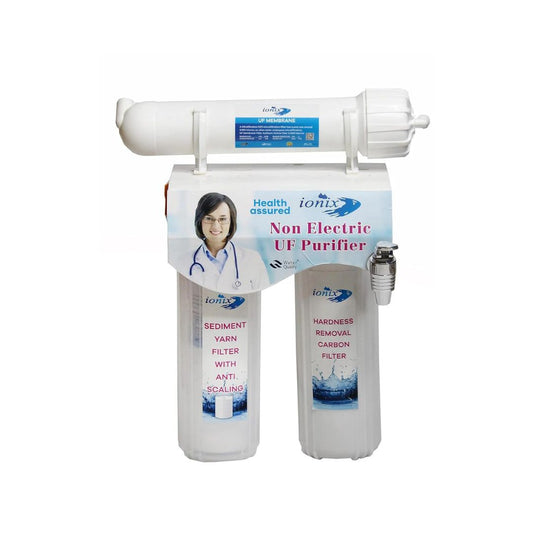
IONIX Non Electric Gravity Based Water Purifier for Home - 25 L Output per HourRemoves 99.99 % Bacteria also removes Virus and provide 100% pure water , Designed to keep in mind Low TDS water, below 250 TDS water across many places in India This water purifier is a 3 stage filter that removes Sediment , Scaling ,...
- Rs. 1,850
Rs. 2,405- Rs. 1,850 -23%
- Unit price
- per
-
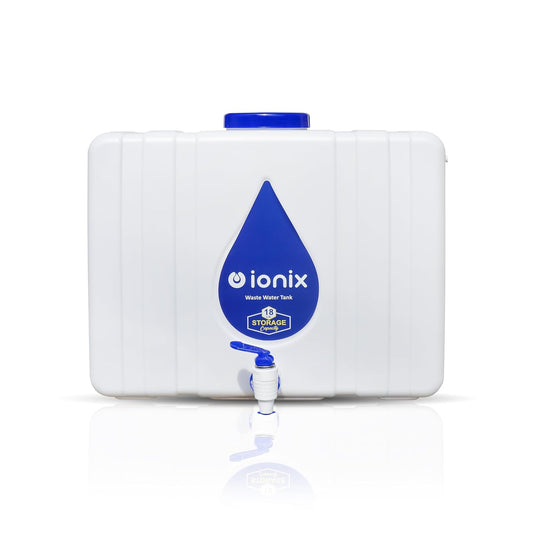
IONIX RO Waste Water Storage Tank 18L – Wall-Mountable, Food-Grade HDPE Plastic, Translucent Design, Easy to Connect with All Ro purifiers/Air Conditioners/Other SourcesThe RO Waste Water Storage Tank 18L is the perfect solution for collecting and storing reject water from your reverse osmosis (RO) water purifier or air conditioner. Designed with food-grade HDPE plastic, this wall-mountable tank ensures durability and safe storage for various household applications....
- Rs. 799
- Rs. 799
- Unit price
- per
-
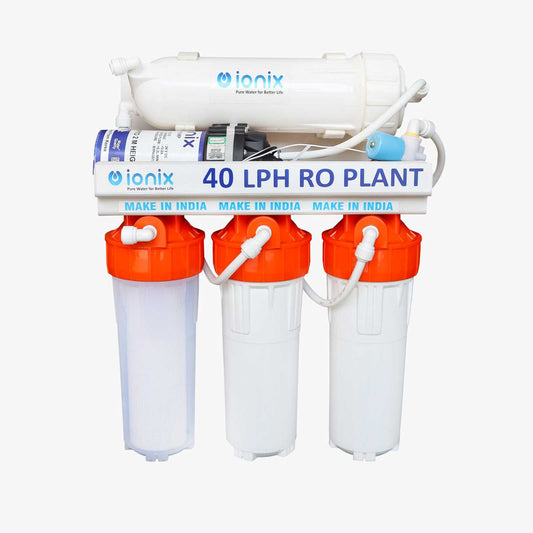
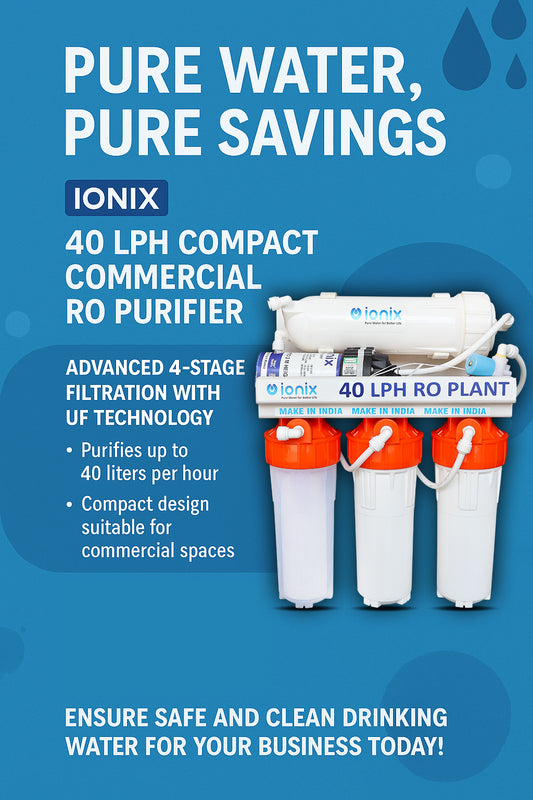
Ionix 40 LPH Compact Commercial RO PurifierThe Ionix 40 LPH Compact Commercial RO Purifier is a high-efficiency water purification system designed for small to medium-scale commercial establishments. Whether it's an office, café, clinic, or school, this powerful RO system ensures a consistent supply of clean, safe, and great-tasting drinking water....
- Rs. 14,750
Rs. 14,750- Rs. 14,750
- Unit price
- per
-
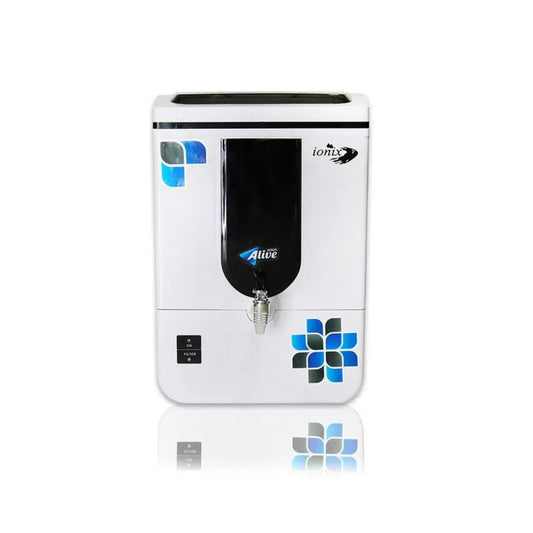
Ionix Alive RO Water Purifier - Alkaline + Copper + Minerals Retention TechnologyState-of-the-Art Copper Alkaline Technology: The Ionix Alive RO purifier is equipped with innovative Copper Alkaline technology that enriches water with essential minerals like copper and increases its pH level, promoting better hydration, improved digestion, and stronger immunity. The alkaline water helps neutralize acidity in...
- Rs. 9,700
Rs. 12,610- Rs. 9,700 -23%
- Unit price
- per
-
IONIX Silver Spark RO – Premium Stainless Steel Tank Water Purifier | 8 Litres | SS 304.🔹 PRODUCT DESCRIPTION The IONIX Silver Spark RO Water Purifier is designed for homes that demand purity, durability, and premium build quality. Equipped with an 8-litre SS 304 stainless steel tank, advanced RO purification, and an interactive LED display, it delivers safe, great-tasting drinking...
- Rs. 18,500
- Rs. 18,500
- Unit price
- per
-
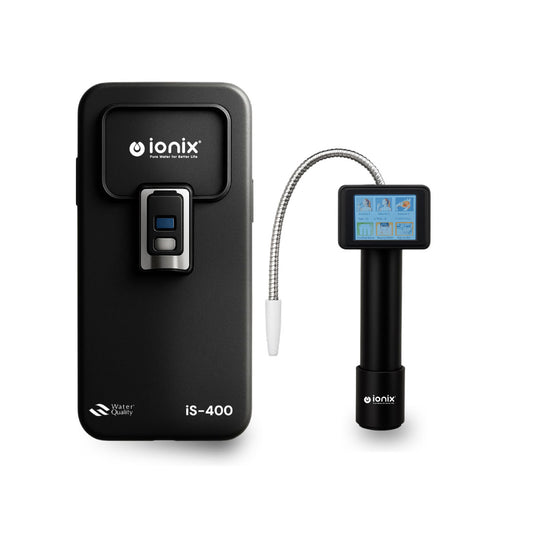
Ionix RO + Ionizer i5-400 Titanium Water Purifier – 50 LPH, Self-Serviceable Filters, UV, TDS Control, and Alkaline Options – Best Water Filter for Home & OfficeIonix RO + Ionizer i5-400 Titanium Water Purifier – 50 LPH, Self-Serviceable Filters, UV, TDS Control, Alkaline Options Ensure access to pure, healthy drinking water with the Ionix RO + Ionizer i5-400 Titanium Water Purifier. This advanced water purifier combines state-of-the-art technology to provide...
- Rs. 185,000
- Rs. 185,000
- Unit price
- per
-
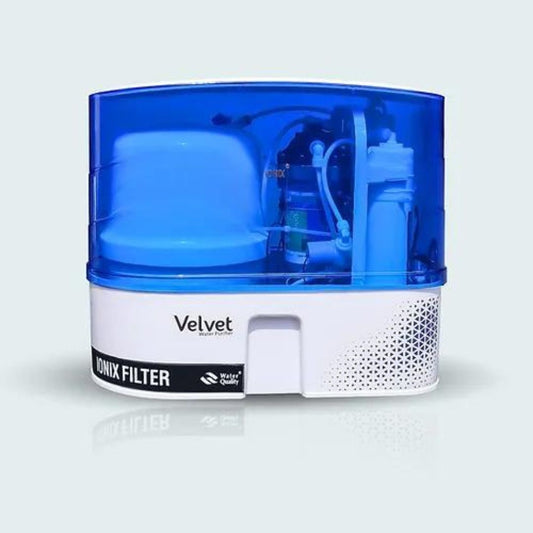
Ionix Velvet Under Sink RO Water Purifier - Alkaline + Copper + Minerals Retention TechnologyInbuilt 3.2-Gallon Pressure Tank: The Ionix Velvet purifier includes a high-capacity, inbuilt 3.2-gallon pressure tank that ensures a steady supply of purified water on demand. This feature helps maintain water pressure and flow, providing convenience even during high usage periods. Sealed Body for Protection:...
- Rs. 11,500
Rs. 14,950- Rs. 11,500 -23%
- Unit price
- per
-
Ionix Wave TDS display RO purifierThe IONIX Wave RO Water Purifier is a next-gen 6-stage water purification system, built for Indian households that prioritize smart living and healthier hydration. With RO, UV, UF, Copper, and Mineral Enrichment technologies, it ensures your drinking water is not only purified but also...
- Rs. 18,700
Rs. 18,700- Rs. 18,700
- Unit price
- per
-
IONIX Non Electric Gravity Based Water Purifier for Home - 12 L Output per HourNon-Electric, Eco-Friendly Operation: The IONIX purifier operates solely on gravity, requiring no electricity to purify water. This makes it an environmentally friendly and energy-efficient choice for households, reducing electricity costs while providing safe drinking water. It's perfect for areas with frequent power outages or...
- Rs. 1,551
Rs. 2,050- Rs. 1,551 -24%
- Unit price
- per
-
Ionix Titanium Counter Top Ionizer – Counter Top Water Ionizer with 5 Titanium PlatesThe Ionix Titanium Counter Top Water Ionizer is a premium counter-top ionization system that enhances everyday water by charging it through advanced electrolysis. Designed to retain natural minerals while optimizing pH balance of the water, Ionix Titanium Counter Top Water Ionizer delivers multiple types...
- Rs. 127,000
- Rs. 127,000
- Unit price
- per
-
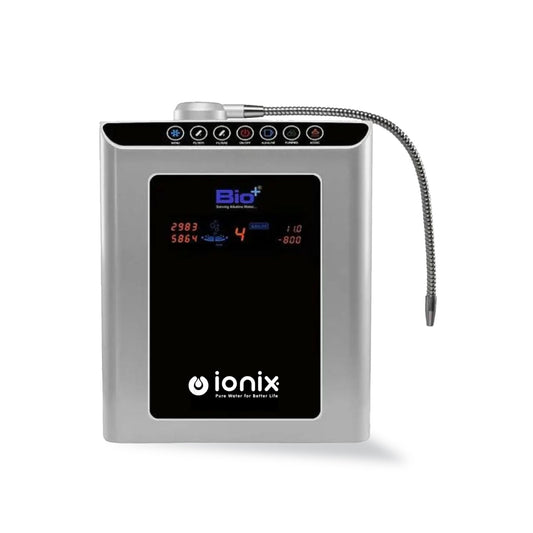
Ionix Titanium US Ionizer –Undersink Water Ionizer with 7 Titanium PlatesSupport a healthier lifestyle with the Ionix Titanium US Ionizer – Bio+, a premium water ionizer that delivers eight types of purified, ionized water tailored for every need—from hydration and cooking to cleaning and skincare. Engineered with 7 platinum-coated titanium plates and a smart...
- Rs. 195,000
Rs. 191,100- Rs. 195,000
- Unit price
- per
-
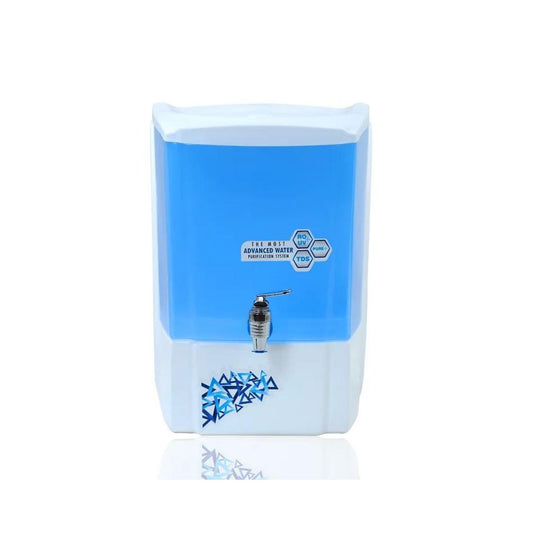
Your Everyday Solution for Pure Drinking Water in Indian HomesThe Ionix Pure Plus CT RO is thoughtfully engineered to meet the daily water purification needs of urban households that rely on municipal or corporation water supplies. Designed for TDS levels up to 1500 ppm, this model is compact, stylish, and highly efficient—perfect for...
- Rs. 7,000
Rs. 9,100- Rs. 7,000 -23%
- Unit price
- per
-
Ionix Alkaline Water Ionizer MSB - Bio + IonGen Hydrogen Rich Antioxidant - 7 PlatesUses:8 different types of water:1. Healthy Water - 8.5 pH & 9.5 pH Water. Used for Drinking and Cooking purposes2. Environmental Friendly Water - 10.5 and above pH, this water has an effective cleaning effect like detergent. Used for sterilising fruits and vegetables, cleaning...
- Rs. 148,500
Rs. 191,100- Rs. 148,500 -22%
- Unit price
- per
-
Ionix Alkaline RO Water Purifier with Mineral + Copper Retention TechnologyAbout this item Multiple purification by RO+UV+UF+Copper+ TDS Control which removes even dissolved impurities such as arsenic, rust, pesticides & fluorides, and kills bacteria and viruses to make water pure and suitable for drinking with goodness of Copper Wall mountable design to be suited...
- Rs. 9,700
Rs. 12,610- Rs. 9,700 -23%
- Unit price
- per























SUBSCRIBE TO OUR NEWSLETTER
Get the latest updates on new products and upcoming sales